What Are Alternative Schools—And Why More Families Are Choosing Them
Not every child fits neatly into a traditional classroom. Some thrive in it, others get by, and some slowly switch off. That’s often where the idea of alternative schooling comes in—not as a “better” option for everyone, but as a different approach for children who need something else.
Alternative schools aren’t one single model. They can look very different from each other, but they tend to share a few common ideas. There’s usually less focus on strict structure and more emphasis on how a child learns, not just what they learn. You might see mixed-age groups, more hands-on projects, fewer standardised tests, and more space for students to move at their own pace.
Some follow well-known approaches like Montessori education or Waldorf education, while others are more flexible or modern in their design. There are also outdoor-focused programmes like forest school, and newer learner-driven models where students take more ownership of their time and goals.
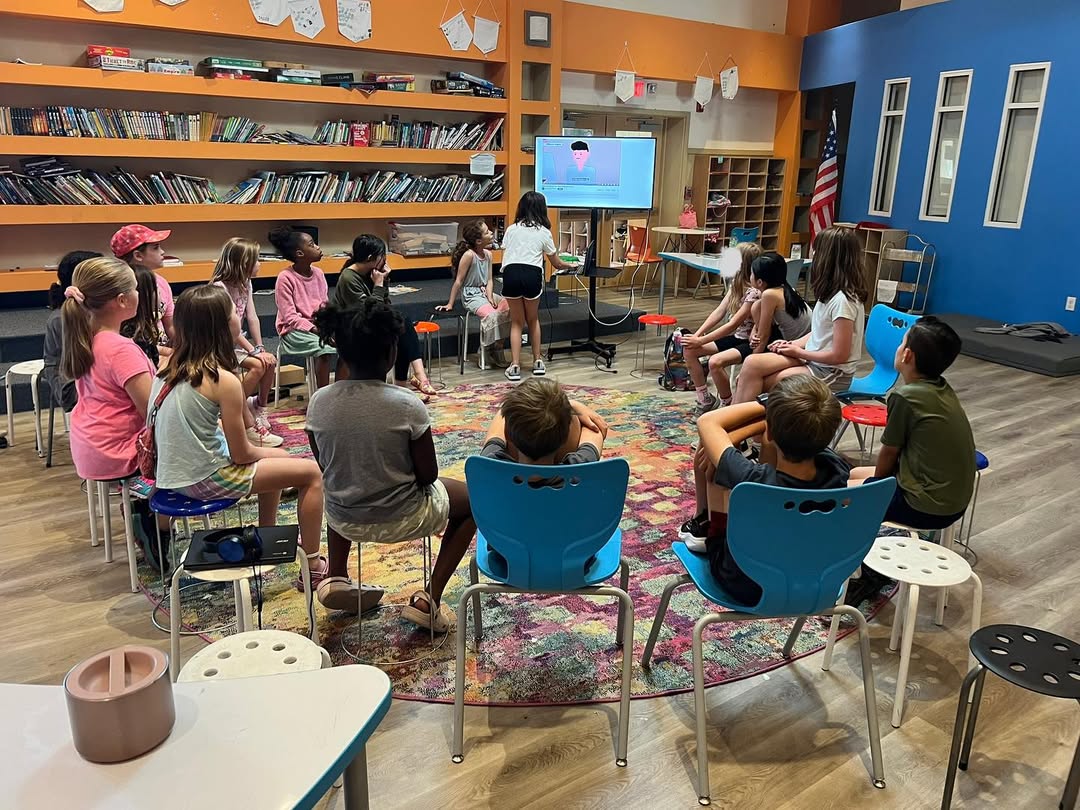
One example of this modern, learner-driven approach can be seen at Acton Academy Morristown. Rather than relying on traditional teaching methods, learners are encouraged to set goals, manage their own work, and engage in real-world projects. The environment is designed to build independence, accountability, and confidence—skills that extend well beyond academics.
One of the main differences is how learning is experienced. In a traditional setting, the day is usually planned out in detail. Everyone follows the same schedule, covers the same material, and is assessed in similar ways. In alternative schools, there’s often more flexibility. Students might spend longer on a topic they’re interested in or approach a subject through projects instead of lectures.
That doesn’t mean there’s no structure—it just looks different. Instead of being directed every step of the way, children are guided. They’re expected to think, make choices, and take some responsibility for their learning. For some students, that shift can make a big difference in how engaged they feel.
Another key difference is how progress is measured. Many alternative schools move away from constant testing and grading. Instead, they focus on growth over time—how a student is improving, what they’re struggling with, and how they approach challenges. Skills like communication, problem-solving, and independence are often given as much importance as academic knowledge.
Technology and access to information have also made alternative education more possible. Learning is no longer limited to textbooks or one teacher’s explanation. Students can explore topics in different ways, revisit lessons, or dive deeper into areas that interest them. This opens up more personalised learning paths.
Of course, alternative schooling isn’t the right fit for every child or every family. It often requires a different mindset. There may be less emphasis on traditional markers like rankings or exam scores, and more focus on long-term development. For parents, that can feel unfamiliar at first.
But for those who choose it, the goal is usually the same: to create an environment where children don’t just keep up, but actually engage—where they understand what they’re learning, feel confident asking questions, and develop the ability to think for themselves.
In the end, alternative schools aren’t about rejecting traditional education altogether. They’re about recognising that children learn in different ways, and sometimes, a different environment can make all the difference.