Is an Alternative School Right for Your Child?
Choosing a school isn’t always a straightforward decision. For many families, it starts with a feeling—something isn’t quite clicking. A child might be doing “fine” on paper, but not really engaged. Or they may be capable, but unmotivated. In some cases, they’re overwhelmed, bored, or simply going through the motions. That’s often when parents begin to consider whether a different kind of learning environment might be a better fit.
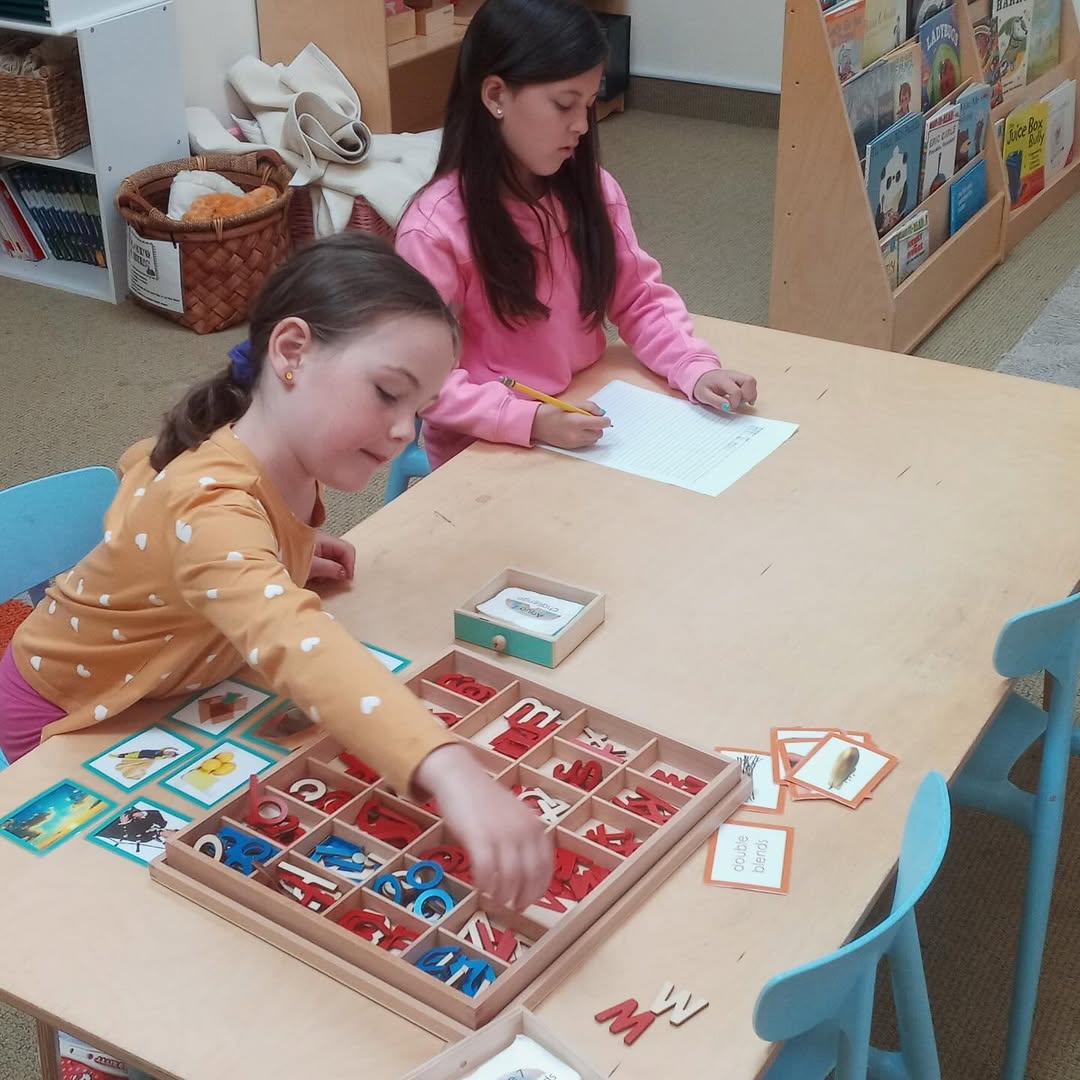
Alternative schools can offer that shift. They tend to move away from rigid structures and instead focus on how a child learns best. Some children thrive when they have more freedom to explore, more time to understand concepts, or more say in what their day looks like. Others benefit from hands-on learning, discussion-based classes, or working at their own pace rather than keeping up with a set schedule.
You’ll find a range of approaches within alternative education. Models like Montessori education emphasise independence and self-directed activity, while Waldorf education focuses more on creativity and a balanced rhythm of learning. There are also outdoor-based programmes like forest school, as well as modern, learner-driven environments where students take a more active role in managing their time and goals.
An example of this learner-driven approach can be seen at Acton Academy Morristown. In this kind of setting, students aren’t simply following instructions throughout the day—they’re setting goals, working collaboratively, and taking ownership of their progress. For the right child, that level of responsibility can lead to greater confidence and engagement.
That said, alternative schooling isn’t automatically the right choice for every child. These environments often require a level of independence and self-motivation. While support is always there, students are typically expected to take more responsibility for their learning. Some children grow quickly in that space, while others may need more structure and guidance.
It’s also worth considering what you value most as a parent. Alternative schools may place less emphasis on grades, rankings, or standardised testing. Progress might look different—less about immediate results and more about long-term development. For some families, that feels aligned. For others, it can take time to adjust.
Another important factor is your child’s personality. Do they enjoy working independently, or do they need more direction? Are they curious and self-driven, or do they rely on external motivation? There’s no right or wrong here—just different needs. The goal is to find an environment where your child can stay engaged, challenged, and supported.
In the end, choosing a school is less about finding the “best” option and more about finding the right fit. Alternative education offers another path—one that works well for many children, but not all. Taking the time to explore it, ask questions, and observe your child’s response can help you make a more informed decision.
Because when a child is in the right environment, learning tends to follow naturally.